Floor Scrubber Maintenance Parts: What Buyers Should Keep in Stock
Floor Scrubber Maintenance Parts: What Buyers Should Keep in Stock
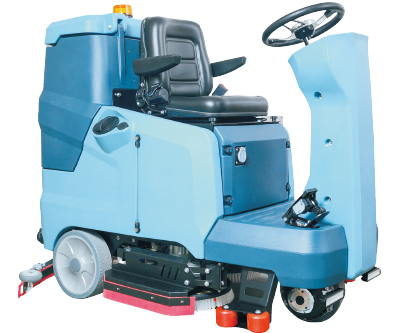
A floor scrubber is only as reliable as its maintenance routine. Brushes, pads, squeegee blades, filters, hoses, batteries, and seals all affect daily cleaning quality. When a small wear part is unavailable, a facility may lose cleaning capacity even though the main machine is still in good condition.
For facility managers, distributors, and cleaning contractors, spare-part planning should be part of the purchasing decision from day one.
Start with the parts that wear fastest
The most common replacement parts are the ones in direct contact with the floor or wastewater:
- squeegee blades;
- brushes and pad drivers;
- pads for different floor types;
- filters and screens;
- suction hoses;
- tank seals and gaskets;
- small fasteners and fittings.
Squeegee blades are especially important because they affect drying performance. A worn blade can leave streaks, even if the vacuum motor is working. Brushes and pads affect cleaning consistency, especially on oily, dusty, or high-traffic floors.
Match consumables to the floor type
A warehouse epoxy floor, hotel tile floor, hospital corridor, workshop concrete floor, and supermarket aisle may need different brush or pad choices. Using the wrong consumable can reduce cleaning quality or damage the surface.
When planning floor scrubber maintenance, buyers should document floor types, dirt level, cleaning chemicals, and daily frequency. This helps the supplier recommend the right brush or pad rather than sending generic replacements.
Battery care affects uptime
Battery condition determines whether a scrubber can finish the route. Operators should charge batteries correctly, avoid unnecessary deep discharge, and store machines in suitable conditions. Long-term storage should follow the manufacturer's guidance, including water tank drainage and regular battery care where applicable.
For ride-on machines, battery uptime is especially important because large facilities depend on route completion. ELEREIN's E100 materials list 4-6h working time, while the E130 materials list 6-8h working time. Buyers comparing ride-on floor scrubber parts should include battery and charging support in the maintenance plan.
Create a simple stock rule
Facilities do not need to overbuy every part. A practical stock rule can be based on:
- number of machines in use;
- daily operating hours;
- expected replacement cycle;
- local delivery time;
- criticality of the part;
- whether the machine has backup coverage.
For example, keeping extra squeegee blades and brushes may be more urgent than holding rarely used structural parts. Distributors can use maintenance kits to make reordering easier for customers.
Train operators to spot early problems
Many failures show warning signs before the machine stops working. Water streaks may indicate blade wear or suction blockage. Weak scrubbing may indicate worn brushes or incorrect pad choice. Shorter runtime may indicate battery aging or charging issues. Unusual noise may indicate debris, loose parts, or motor stress.
A daily checklist should include:
- inspect squeegee blade condition;
- clean recovery tank and filters;
- remove debris from brushes;
- check hoses for blockage;
- charge battery after use;
- store the machine dry and clean.
Ask suppliers about parts before buying machines
A machine with poor parts support can become expensive over time. Buyers should ask whether brushes, blades, hoses, filters, and batteries are available, how they are ordered, and whether part names or model numbers are consistent.
For model-specific spare-part planning, buyers can contact ELEREIN support and confirm the parts list for each machine.
Conclusion
Floor scrubber maintenance is not complicated, but it must be planned. Keeping the right wear parts in stock protects cleaning quality, reduces downtime, and improves the long-term value of the machine. Buyers should treat spare parts, operator training, and daily maintenance as part of the total equipment system, not as an afterthought.

Comments
Post a Comment