Wet and Dry Vacuum Selection: 20L, 60L, or 80L for Facility Cleaning?
Wet and Dry Vacuum Selection: 20L, 60L, or 80L for Facility Cleaning?
20L, 60L, and 80L wet and dry vacuum cleaners serve different jobs. The right choice depends on response speed, tank capacity, operator workload, waste volume, and how often the team can stop to empty the machine.
Start with the cleaning job, not the largest tank
A wet and dry vacuum cleaner is usually chosen for localized cleanup that does not need a floor scrubber. It may be used for dust, dry debris, spills, wastewater around equipment, or mixed waste after maintenance. Bigger capacity can reduce emptying frequency, but it can also make the machine heavier and less convenient in narrow corridors or small rooms.
20L is for compact response work
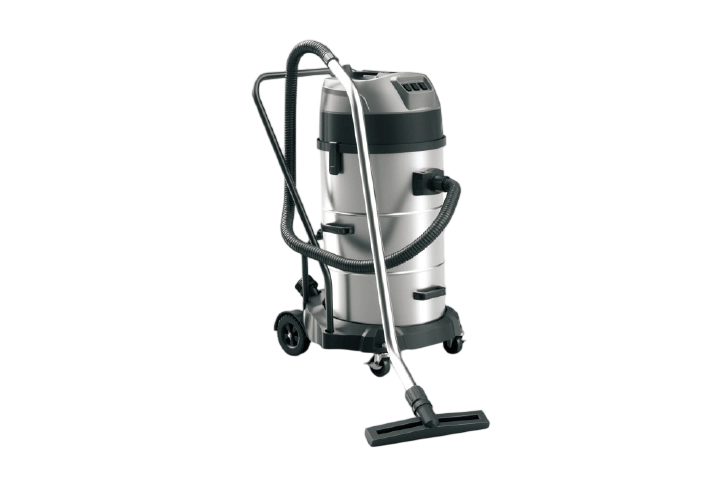
A 20L wet and dry vacuum is best for quick-response cleaning in offices, hotels, small retail areas, service rooms, and housekeeping routes. The value is mobility: a smaller tank is easier to move, easier to store, and easier to empty when the job is frequent but not high-volume.
60L fits daily facility cleaning
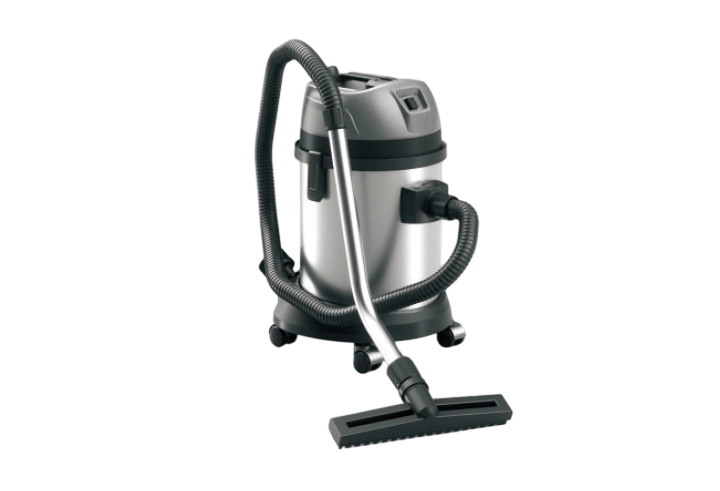
A 60L machine is a practical middle point for supermarkets, warehouses, property maintenance teams, workshops, and public facilities. It gives the operator more tank capacity than a compact unit while still remaining manageable for daily routes.
80L supports heavier industrial cleanup
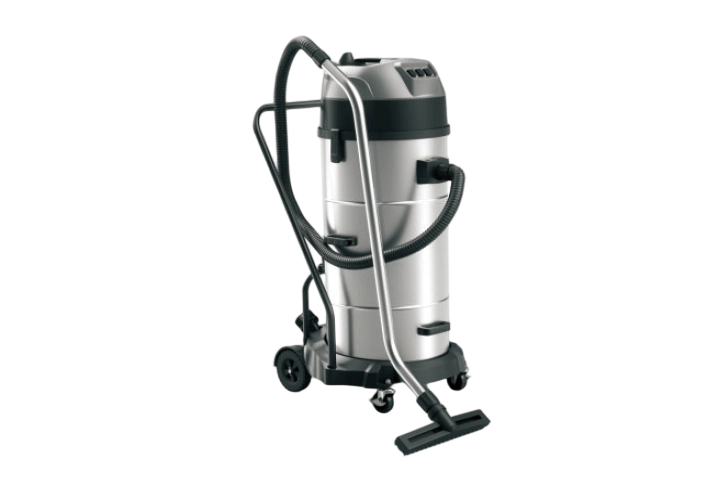
An 80L wet and dry vacuum is better suited to factories, logistics areas, industrial floors, and routes where water, mud, dust, or debris volume is higher. The larger tank helps reduce interruptions, but buyers should also confirm storage space, operator handling, and maintenance routines.
Maintenance keeps suction stable
Capacity alone does not guarantee cleaning performance. Filters, hoses, tank seals, and wet-contact parts need regular cleaning. Teams should empty tanks after use, rinse wet parts, let washable filters dry completely, inspect hoses, and keep accessories in a fixed location.
Product reference
ELEREIN provides commercial cleaning equipment information for buyers comparing wet and dry vacuum cleaners and other facility cleaning machines: ELEREIN cleaning equipment products.

Comments
Post a Comment