Warehouse Floor Scrubber Selection: Why Route Planning Matters More Than Theoretical Productivity
Warehouse Floor Scrubber Selection: Why Route Planning Matters More Than Theoretical Productivity
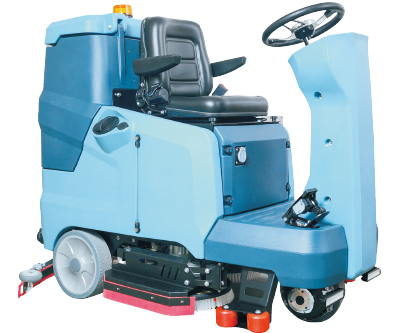
Warehouse cleaning equipment is often compared by theoretical productivity, but a facility does not operate on a clean spreadsheet. A floor scrubber has to fit the real route: aisle width, turning space, refill points, floor condition, drainage areas, pedestrian traffic, and shift schedules.
For facility managers, the stronger buying question is practical: can the machine clean the daily route safely, consistently, and without forcing operators into inefficient stops?
Route width comes before headline productivity
Large warehouses may look like ideal ride-on scrubber environments, but route layout still matters. Open floor areas, loading zones, storage aisles, and narrow transitions may each need different operating behavior. A machine that is too small may require too many passes. A machine that is too large may slow down around turns, racks, and parked equipment.
Before choosing a scrubber, buyers should map the cleaning route and identify the widest repeated paths, the tightest turns, the longest uninterrupted runs, and the areas where operators must slow down for safety.
Tank capacity and refill points affect real coverage
Solution tank and recovery tank capacity influence how long a cleaning route can continue before the operator has to refill, drain, or reset the machine. In a warehouse, these stops can be expensive because refill points may not be near the actual cleaning zone.
Buyers should compare tank capacity with the daily route length, shift timing, and water access. A scrubber that reduces unnecessary refill trips may deliver better real-world coverage than a model that only looks faster on paper.
Drying performance is part of safety
A warehouse floor scrubber is not only expected to wash the floor. It should also leave the route safe for workers, forklifts, carts, and visitors. Drying performance depends on squeegee contact, suction path condition, recovery airflow, operator speed, and floor surface.
When evaluating warehouse cleaning equipment, buyers should check how the scrubber supports consistent water recovery, especially in high-traffic zones where wet floors can create slip risks or operational delays.
Operator workload changes the result
Even a well-specified machine can underperform if the operator experience is tiring or confusing. Battery runtime, steering comfort, control layout, visibility, noise, and maintenance access all affect whether the equipment is used correctly every day.
ELEREIN lists ride-on floor scrubber options for large-area cleaning applications, including details buyers can review in the ELEREIN ride-on floor scrubber product page.
Conclusion
The right warehouse floor scrubber is not simply the model with the highest theoretical productivity. It is the machine that fits the route, supports safe drying, reduces avoidable stops, and keeps operators productive across real shifts. Buyers who compare route planning, tank logic, drying performance, and operator workload can make a cleaner and more reliable equipment decision.


Comments
Post a Comment